

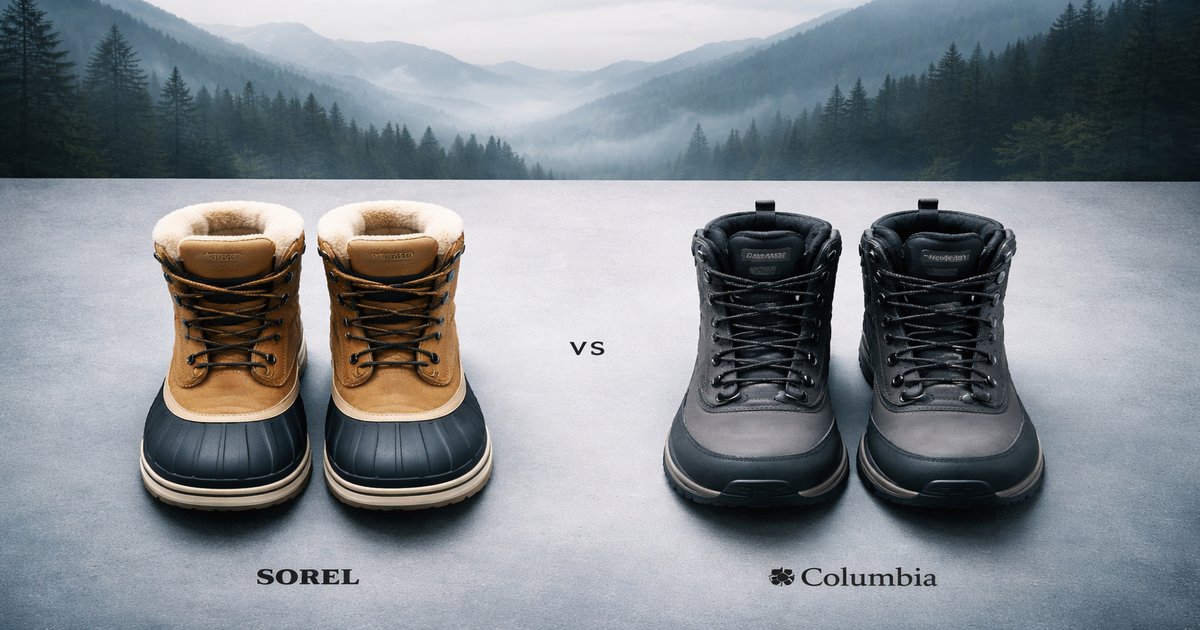
You know the drill: winter’s coming, and your feet need protection. Whether you’re trudging through snow or navigating slushy sidewalks, you want boots that keep you warm and comfortable without compromising on style. Enter Sorel and Columbia, two big names in the winter boot game. Let’s see which one should grace your feet this season.
| Feature | Sorel Boots | Columbia Boots |
|---|---|---|
| Waterproof | ✓ | ✓ |
| Insulation | 200g Thinsulate | 200g Omni-Heat |
| Weight | 2.6 lbs | 2.2 lbs |
| Outsole Material | Rubber | Techlite™ |
| Temperature Rating | -25°F | -25°F |
| Price Range | $120 – $200 | $100 – $180 |
| Style Variety | High | Medium |
✅ sorel Pros
- Excellent style variety to suit different tastes.
- Durable build that withstands harsh conditions.
- Comfortable fit with good arch support.
❌ sorel Cons
- Heavier than competitors, can be cumbersome for long walks.
- Higher price point may not suit budget shoppers.
✅ columbia boots Pros
- Lightweight, making them ideal for extended wear.
- Affordable pricing without sacrificing key features.
- Effective insulation with Omni-Heat technology.
❌ columbia boots Cons
- Limited style options compared to Sorel.
- Some users report sole wear over time.
Performance in Cold Conditions
Sorel boots are built like tanks, designed to tackle the most severe winter conditions. With a temperature rating of -25°F, they keep your feet toasty even on the coldest days. However, that durability comes with extra weight. You might find them a bit hefty if you’re walking long distances. Columbia, on the other hand, offers a lighter boot with equivalent warmth thanks to their clever use of Omni-Heat insulation. If you’re planning to be on your feet all day, Columbia might be the more comfortable option.
Build Quality and Durability
Sorel boots are synonymous with quality. The rubber outsole and tough leather uppers mean these boots can take a beating. They’re great if you’re looking for something that will last several seasons of heavy use. Columbia boots are well-made too, but the materials feel a bit less robust. The Techlite outsole is comfy and light, but it might show wear sooner if you’re hard on your gear. If longevity is your priority, Sorel edges out here.
Value for Money
Columbia boots offer great bang for your buck. With prices starting around $100, you get solid performance and warmth without breaking the bank. They’re perfect if you’re looking for a reliable winter boot without a hefty price tag. Sorel boots, while pricier, offer more in terms of style and durability. If you view your footwear as an investment and want something that will endure, the extra cost might be justified.
Both brands boast waterproofing, but Sorel’s durability doesn’t mean they’re invincible. Expect some wear in the seams if you consistently challenge them with wet conditions. Columbia’s lightweight design is great, but the trade-off can be less traction on icy surfaces. Don’t expect miracles on slick terrain from either brand.
Our Final Verdict: Which One Should You Buy?
If you’re someone who values style and durability and doesn’t mind the extra weight or cost, Sorel is your go-to. They’re perfect for fashion-conscious folks who brave harsh winters. Columbia boots are the choice for budget-minded adventurers who need reliable, lightweight warmth without the frills. They’re the practical choice for everyday wearers who spend extended periods on their feet.
Are these boots true to size?
Sorel boots generally run true to size, but if you plan on wearing thick socks, consider going half a size up. Columbia boots tend to have a more standard fit, so your usual size should suffice.
How do they perform in heavy snow?
Both brands perform well in heavy snow due to their waterproofing. However, Sorel’s build is slightly better suited for deeper snow due to their higher quality materials and construction.
What’s the expected lifespan of these boots?
Sorel boots can last several winters if properly maintained. Columbia boots, while still durable, may show wear after a couple of seasons of heavy use.