

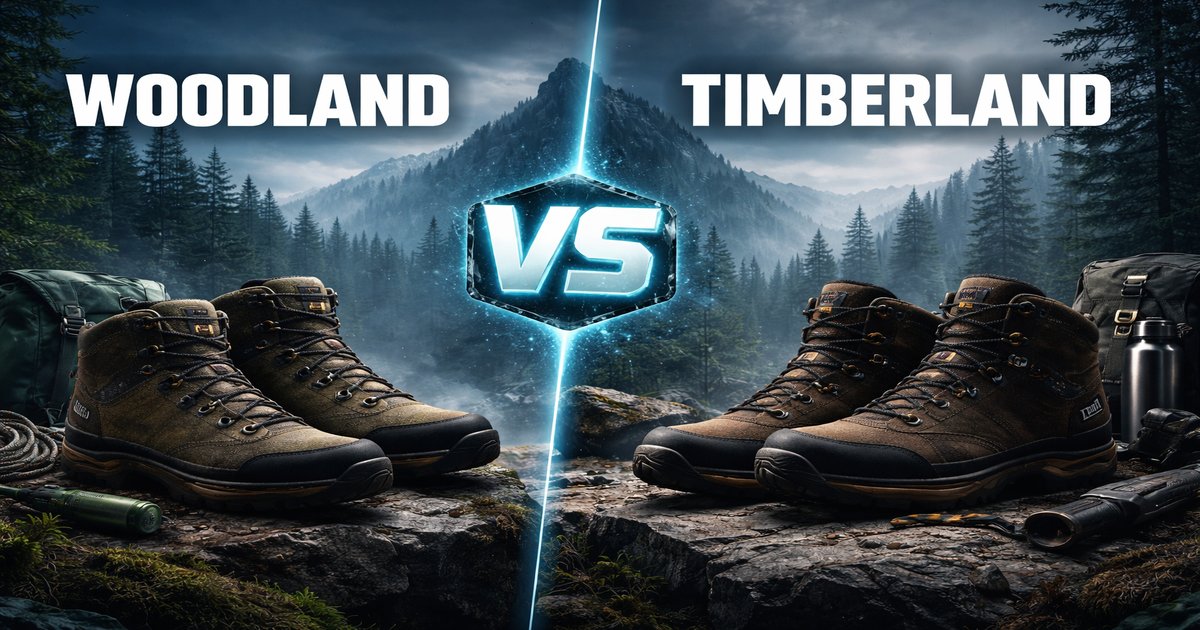
You’ve decided to invest in a pair of boots that can withstand the rigors of both urban jungles and real ones. But here you are, stuck between the rugged allure of Woodland and the iconic style of Timberland. Which one is really going to give you the bang for your buck and the durability you need?
| Features | Woodland | Timberland |
|---|---|---|
| Price Range | $70 – $150 | $100 – $250 |
| Waterproof | ✓ | ✓ |
| Material | Leather and Fabric | Premium Leather |
| Weight | 1.2 kg | 1.1 kg |
| Insulation | ✗ | ✓ |
| Style Options | Limited | Extensive |
✅ woodland Pros
- More affordable price range.
- Durable and rugged for outdoor activities.
- Reliable waterproofing.
❌ woodland Cons
- Limited style options for urban wear.
- Lacks insulation for cold climates.
- Heavier than some of its competitors.
✅ timberland Pros
- Stylish with a wide range of designs.
- Offers insulated options for cold weather.
- Premium leather for a luxurious feel.
❌ timberland Cons
- Higher price point.
- May require more maintenance due to leather quality.
- Not as rugged for extreme outdoor use.
Performance in Outdoor Settings
Woodland boots are a beast when it comes to handling rough terrains. If you’re planning on hiking through muddy trails or rocky paths, these boots will get you through without a hitch. Their waterproofing holds up under wet conditions, making them a reliable choice for unpredictable weather. Timberlands, on the other hand, have a more urban-friendly appeal. While they are also waterproof, their performance on extremely rugged terrains doesn’t quite match up to Woodland’s level. They’re more suited for light hikes and city slicking, where style is as important as function.
Build Quality and Materials
When it comes to build quality, Timberland takes the crown with its premium leather and meticulous craftsmanship. The boots feel luxurious and are designed to last, assuming you take the time for proper maintenance. Woodland boots, while tough, use a combination of leather and fabric, which might not offer the same premium feel but are built for durability. They can take a beating in the wild, but don’t expect them to win any beauty contests or offer the same longevity if not cared for.
Value for Money
If you’re on a budget, Woodland gives you a lot of boot for your buck. They are reasonably priced for the durability and functionality they offer, especially if you prioritize outdoor performance. Timberland, however, demands a premium price, and while you get excellent style and comfort, the cost might not justify itself if you’re not utilizing them for both style and light outdoor activities. The added insulation and style options are a plus, but they come at a higher price.
Woodland boots are great until you realize they’re not the best for winter wear due to lack of insulation. Timberland boots might look and feel great, but their leather demands regular care to maintain its appearance and durability. Neither is perfect, but understanding these nuances can save you some post-purchase regrets.
Our Final Verdict: Which One Should You Buy?
If you’re an adventurer at heart and need boots that will withstand the elements without breaking the bank, go for Woodland. They’re rugged, reliable, and won’t empty your wallet. On the flip side, if you’re looking for a stylish, versatile boot that can transition from the office to a casual hike, Timberland is your best bet. Just be prepared to shell out a bit more and invest time in maintenance.
Are Woodland boots true to size?
Woodland boots are generally true to size, but if you plan on wearing thick socks, consider going half a size up for a comfortable fit.
How do Timberland boots hold up over time?
Timberland boots are known for their durability, but the leather requires regular conditioning to prevent cracking and maintain their appearance.
Which brand offers better value for money?
Woodland offers better value for those who prioritize functionality and durability in rough conditions, while Timberland provides value through style and comfort, albeit at a higher price.