

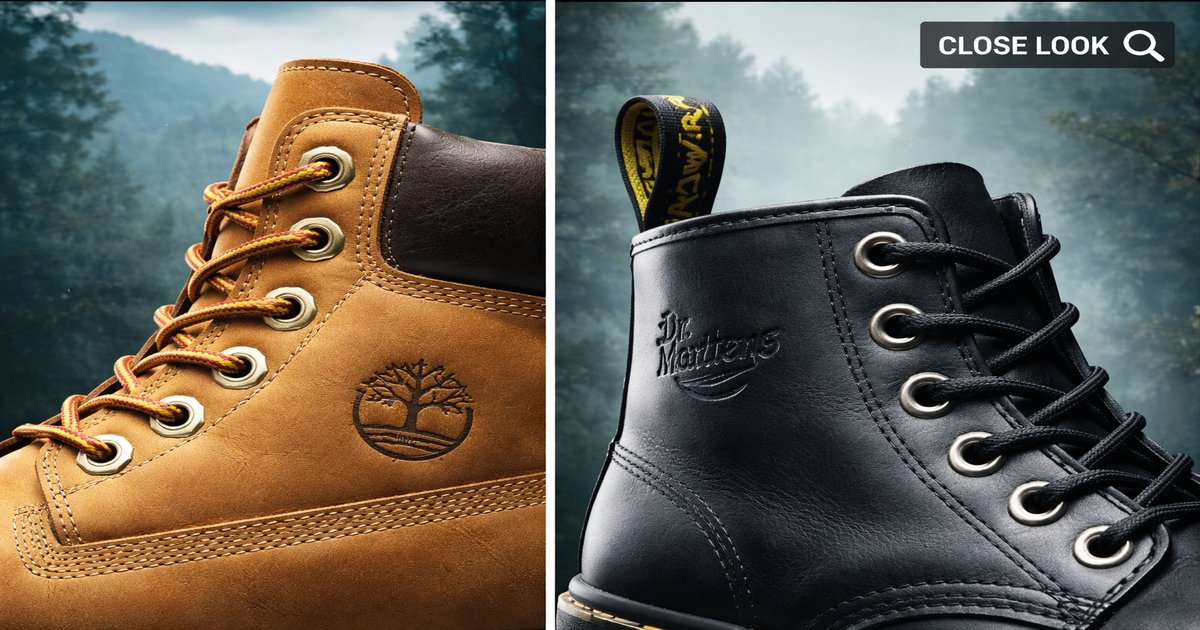
You’re on the hunt for a pair of boots that won’t just survive a season but become part of your daily grind. Whether you’re navigating urban streets or hitting the trails, Timberland and Dr. Martens have likely crossed your radar. Let’s cut through the hype and see which brand really walks the talk.
| Feature | Timberland | Dr. Martens |
|---|---|---|
| Material | Premium Leather | Airwair Leather |
| Waterproof | ✓ | ✗ |
| Sole | Rubber Lug Sole | Bouncing Airwair Sole |
| Comfort Technology | Anti-Fatigue | ✗ |
| Style Options | Classic, Rugged | Punk, Casual |
| Price Range | $150 – $200 | $100 – $160 |
✅ timberland Pros
- Durable and rugged, ideal for outdoor use.
- Waterproof, perfect for all weather conditions.
- Anti-fatigue technology provides excellent comfort.
❌ timberland Cons
- Heavier compared to other boots, which can be tiring on long walks.
- Limited style variations; mostly classic and rugged.
✅ dr martens Pros
- Iconic style with a wide range of fashion-forward options.
- Lightweight with a comfortable, bouncing sole.
- More affordable than Timberland.
❌ dr martens Cons
- Lacks waterproofing, not ideal for wet conditions.
- Break-in period can be uncomfortable.
Performance and Comfort
When it comes to performance, Timberland’s waterproof boots with anti-fatigue technology are your best bet for comfort and endurance on long hikes or in unpredictable weather. The heavier build, however, might weigh you down if you’re planning on wearing them all day in the city. Dr. Martens, with their signature bouncing Airwair soles, offer a more casual comfort suitable for urban adventures or standing for long periods, but don’t expect them to keep your feet dry in a downpour.
Build Quality and Durability
Timberlands are built like tanks, designed to withstand rough terrains and tough conditions. Their premium leather construction means they can take a beating and still look good with a bit of leather care. Dr. Martens are no slouches either, known for their durable yet stylish build. However, the leather tends to scuff more easily, and without waterproof capabilities, they’re best kept out of heavy-duty scenarios.
Value for Money
If you’re looking for boots that can double as both reliable outdoor gear and stylish footwear, Timberland’s higher price tag is justified by its dual functionality. Dr. Martens, on the other hand, offer classic style at a lower cost, ideal for those who prioritize fashion over function. The initial discomfort during the break-in period can be a drawback, but once they’re worn in, they offer decent value for the price.
Timberlands can be overkill if you’re mainly dealing with paved paths and light city rain. They’re built for rougher stuff, so consider that before splurging. Meanwhile, Dr. Martens’ break-in period isn’t just a myth—be prepared for some discomfort before they mold to your feet.
Our Final Verdict: Which One Should You Buy?
If you’re an outdoor enthusiast who needs a boot that can handle muddy trails and rainy weather, go for Timberland. They’re perfect for those who don’t mind the extra heft for superior protection and comfort. On the flip side, if you’re more of a style-conscious city dweller who values comfort once broken in, plus a bit of punk flair, Dr. Martens will suit your lifestyle and wallet better.
Do Timberlands fit true to size?
Generally, Timberlands run true to size, but some find them slightly larger. Trying them on with your usual socks is a good idea.
Are Dr. Martens suitable for all-day wear?
Once broken in, Dr. Martens are quite comfortable for all-day wear, thanks to their cushioned soles.
How long do these boots typically last?
With proper care, Timberlands can last several years due to their durability. Dr. Martens also have a long lifespan but require regular maintenance to keep them looking their best.