

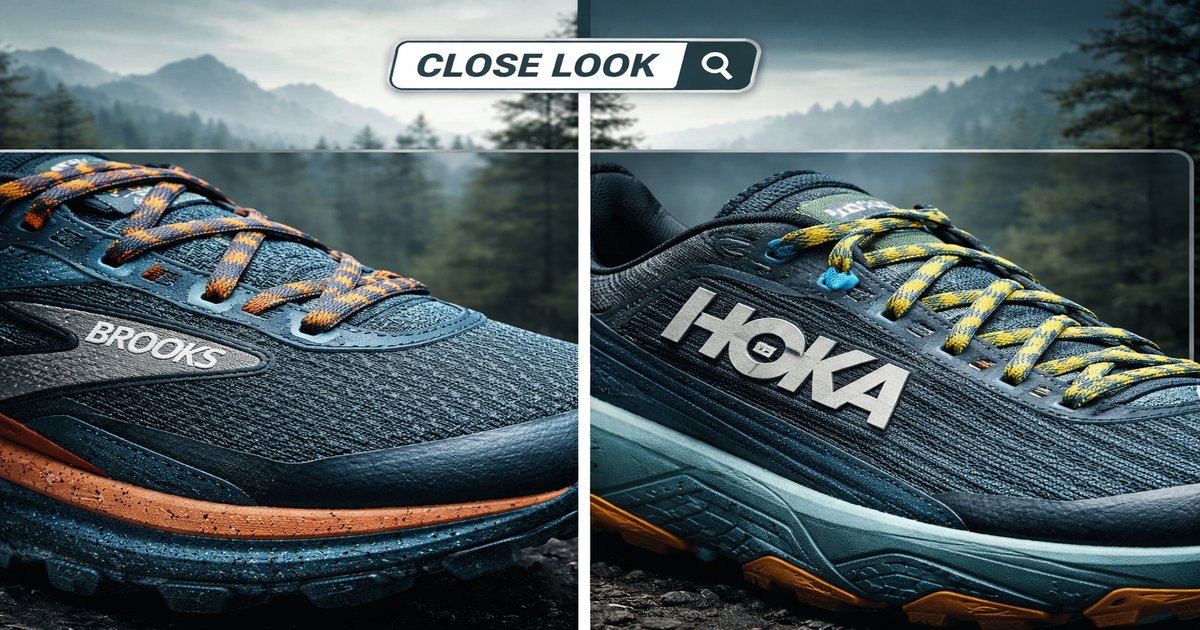
Choosing the right running shoes can feel like picking a needle in a haystack, especially when you’re torn between Brooks and Hoka. Whether you’re pounding the pavement for a marathon or just trying to stay fit, the right pair of shoes can make or break your experience.
| Feature | Brooks Shoes | Hoka Shoes |
|---|---|---|
| Cushioning | DNA Loft | PROFLY |
| Weight | 8.8 oz (Ghost 14) | 9.1 oz (Clifton 8) |
| Heel-to-Toe Drop | 12 mm | 5 mm |
| Arch Support | Medium to High | Neutral |
| Durability | ✓ | ✓ |
| Price Range | $110 – $150 | $130 – $160 |
✅ brooks shoes Pros
- Excellent stability and support, ideal for overpronators.
- Wide range of sizes and widths available.
- Durable with high-quality materials.
❌ brooks shoes Cons
- Heavier compared to some competitors.
- 12 mm drop might not suit all runners.
✅ hoka Pros
- Outstanding cushioning for a plush ride.
- Lightweight despite the maximalist design.
- 5 mm drop promotes a more natural stride.
❌ hoka Cons
- Can feel bulky due to thick soles.
- Higher price point can be a deterrent.
Performance
When it comes to performance, Brooks shoes provide a stable ride with their DNA Loft cushioning, making them perfect for long-distance runs and for runners who need extra support due to overpronation. Hoka, on the other hand, excels in providing a cushioned experience that’s perfect for those who prioritize comfort and are looking for a shoe that absorbs impact efficiently. If you’re a runner who prefers a more natural and cushioned ride, Hoka’s lower heel-to-toe drop might be more up your alley.
Build Quality
Brooks shoes are built to last, thanks to their robust construction and durable materials. They handle wear and tear well, making them a solid choice for runners who log serious miles. Hoka shoes, while also durable, focus more on lightweight materials that maintain comfort without sacrificing longevity. The thick soles might look imposing, but they hold up impressively over time, especially for runners who favor long-distance or trail running.
Value
In terms of value, Brooks offers a slightly lower price range, making them an attractive option for budget-conscious runners who don’t want to compromise on quality. Hoka, while a bit pricier, delivers excellent cushioning and comfort that some might find worth the extra dollars. If your budget allows and you prioritize comfort over cost, Hoka might justify the investment with its plush ride and durable design.
One thing most reviews won’t tell you is that both Brooks and Hoka have a break-in period. Brooks can feel a bit stiff out of the box, and Hoka might feel awkwardly bulky at first. Also, while both brands offer wide sizes, not all models accommodate wider feet comfortably.
Our Final Verdict: Which One Should You Buy?
If you’re a runner who needs stability and support, especially if you overpronate, Brooks is your best bet. Their shoes provide a reliable and durable ride that can take you from daily jogs to marathon distances without a hitch. On the other hand, if you’re after comfort and cushioning, especially for longer runs or if you’re recovering from an injury, Hoka’s plush design will have you feeling like you’re running on clouds. Each brand has its strengths, so choose based on your specific running needs and preferences.
Do Brooks and Hoka shoes fit true to size?
Generally, both brands fit true to size, but it’s always wise to try them on or check specific model reviews, as some runners might find they need a half size up or down.
Are Hoka shoes suitable for trail running?
Yes, Hoka offers specific models designed for trail running, providing excellent traction and stability on uneven surfaces.
How long can I expect these shoes to last?
Both Brooks and Hoka shoes typically last between 300-500 miles, depending on the terrain and running style. Regular inspection for wear and tear is recommended to avoid injuries.