

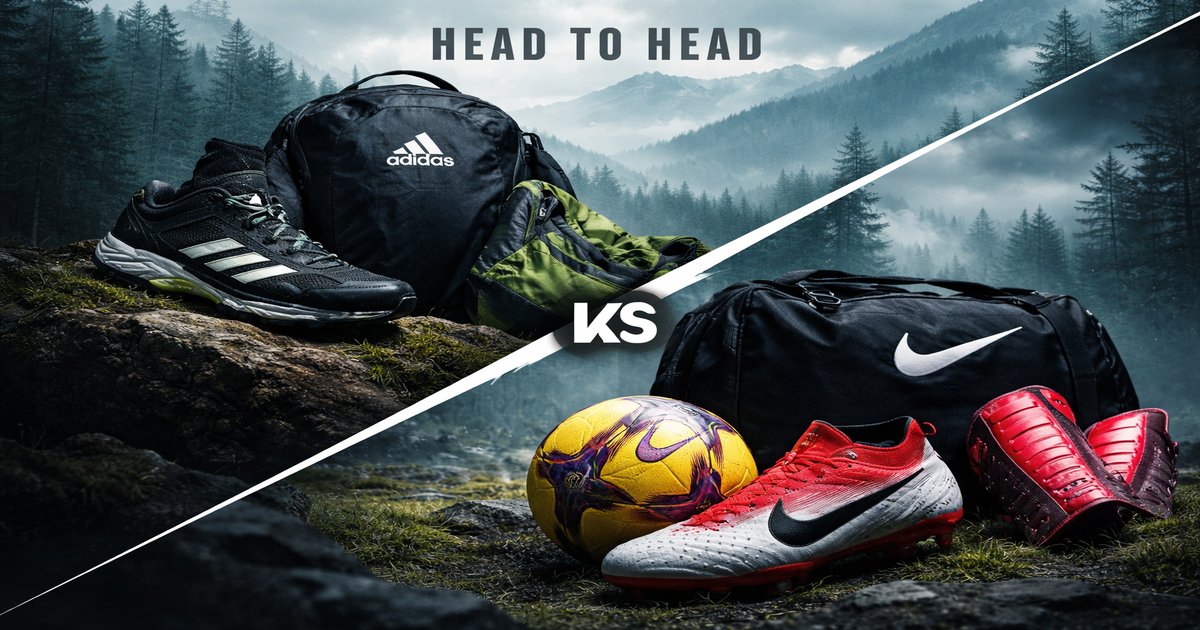
You’re standing in the sports store, staring at a wall of soccer cleats, and the decision is tougher than a last-minute penalty. Adidas and Nike dominate the field, but which one will give you the edge in your next match? Let’s break it down so you can make the right choice for your game.
| Feature | Adidas | Nike |
|---|---|---|
| Price Range | $60 – $300 | $70 – $350 |
| Weight | 200g – 230g | 195g – 225g |
| Material | Primeknit, Kangaroo Leather | Flyknit, Synthetic Leather |
| Customization Options | ✓ | ✓ |
| Traction and Grip | Firm Ground, Soft Ground | Firm Ground, Multi-Ground |
| Fit | Regular and Wide | Regular and Narrow |
✅ adidas Pros
- Excellent durability with Primeknit.
- Wide fit options are great for broader feet.
- Legendary grip on firm ground surfaces.
❌ adidas Cons
- Heavier compared to Nike.
- Can be pricey for top-tier models.
✅ soccer nike Pros
- Lighter weight enhances speed.
- Exceptional flexibility with Flyknit technology.
- Versatile traction for various surfaces.
❌ soccer nike Cons
- Narrow fit might not suit everyone.
- Higher price point for top models.
Performance: Traction and Speed
Adidas cleats are well-known for their grip, featuring a stud configuration that digs into firm ground like a pro. This is great when you’re in a match where sudden stops and starts are crucial. On the other hand, Nike’s lighter design gives you the edge in speed, making quick sprints feel seamless. If you’re a winger or a striker, Nike’s lighter boots can make a significant difference in those crucial moments where every millisecond counts.
Build Quality: Material and Comfort
Adidas uses Primeknit and Kangaroo Leather for a premium feel and durability. These materials break in nicely, offering comfort from the first wear, especially for players with wider feet. Nike’s Flyknit technology offers a snug, sock-like fit that hugs your foot, ideal for agility and control. However, if you have broader feet, you might find Nike’s fit a bit restrictive over long matches.
Value: Cost vs. Longevity
Adidas cleats justify their slightly higher price with robust durability, meaning you won’t need to replace them as often. This is particularly appealing if you play on tough surfaces regularly. Nike, while sometimes more expensive upfront, offers advanced tech like Flyknit that provides superior flexibility and a modern fit. If budget is a concern, both brands offer mid-range models that perform admirably, though Adidas might offer a tad more bang for your buck in longevity.
Both brands have hidden quirks. Adidas cleats might feel stiff initially but soften quickly, whereas Nike’s narrow fit can pinch if you’re not careful. Also, both brands’ high-end models can hit the wallet hard, so unless you’re playing at a competitive level, mid-range options are usually sufficient.
Our Final Verdict: Which One Should You Buy?
If you’re a player who values durability and has wider feet, Adidas is your go-to. Their robust construction and excellent fit for broader feet make them a solid choice for defenders and midfield generals. For those who prioritize speed and flexibility, particularly if you have a narrower foot, Nike’s lightweight, snug-fit offerings are perfect for wingers and strikers who need that extra burst of speed.
How do these cleats fit if I have wide feet?
Adidas cleats generally offer better options for wide feet, while Nike tends to run narrower.
Are these cleats suitable for artificial grass?
Both brands offer models designed specifically for artificial grass. Look for AG or MG on Nike, and AG on Adidas cleats.
How long can I expect these cleats to last?
With regular use, Adidas cleats tend to last a season or more due to their durable materials, while Nike’s lighter models might wear out slightly faster.