

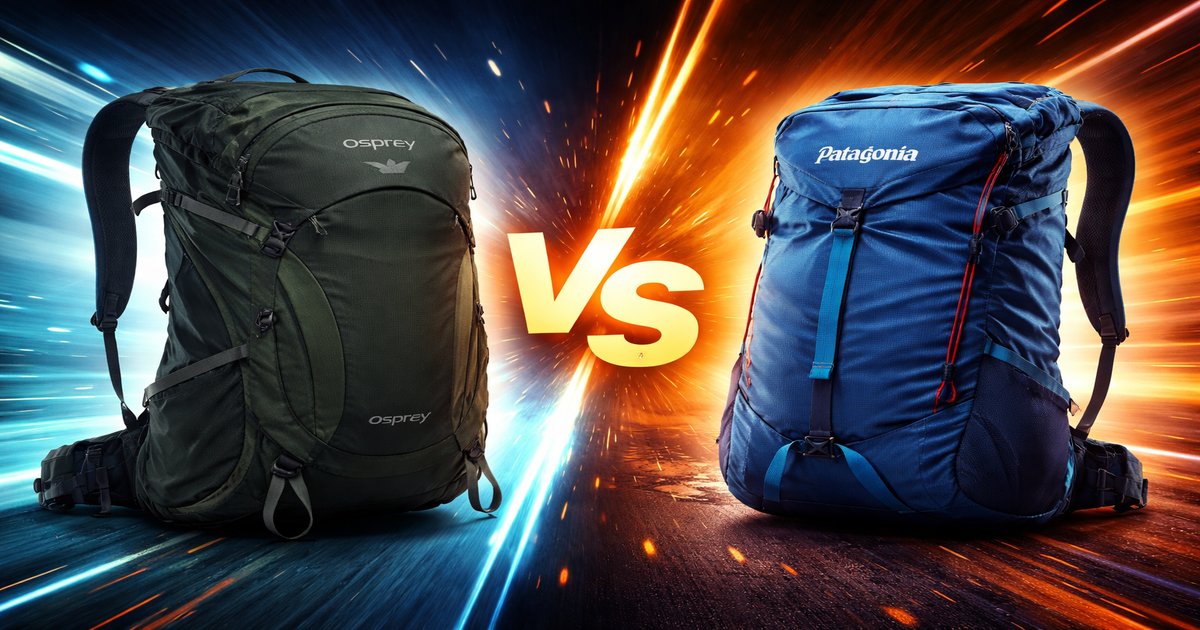
You’ve got a big adventure planned, but the right backpack can make or break your trip. Whether you’re hiking, traveling, or just commuting, choosing between an Osprey backpack and a Patagonia pack can feel overwhelming. Let’s break it down so you don’t have to worry about your gear when you’re out there living your best life.
| Feature | Osprey Backpack | Patagonia Backpack |
|---|---|---|
| Weight Capacity | 20-60 lbs | 15-50 lbs |
| Durability | ✓ | ✓ |
| Weather Resistance | Water-resistant | Weatherproof |
| Price Range | $150-$300 | $100-$250 |
| Warranty | Lifetime | Ironclad Guarantee |
✅ osprey backpack Pros
- Exceptional weight distribution for heavy loads
- Comprehensive lifetime warranty
- Highly adjustable fit systems
❌ osprey backpack Cons
- Higher price point
- Can be over-engineered for simple needs
✅ patagonia Pros
- Environmentally friendly materials
- More affordable price range
- Stylish, minimalist design
❌ patagonia Cons
- Lower weight capacity
- Limited adjustability
Performance and Comfort
Osprey backpacks are king when it comes to carrying heavy loads with ease. If you’re planning on lots of gear, Osprey’s suspension system will save your back. The extra padding and adjustability are lifesavers on multi-day hikes. In contrast, Patagonia packs excel in lightweight, urban settings. They’re sleek, less bulky, and the weatherproof feature keeps your essentials dry in a sudden downpour. If your journey involves more city streets than mountain trails, Patagonia might be your best bet.
Build Quality and Durability
Both brands deliver on durability, but they take different approaches. Osprey uses robust materials that can handle abuse. Their packs are built to last, even when you’re roughing it. Patagonia, while equally durable, focuses on using recycled materials that are easier on the planet. They may not handle the roughest terrains as well as Osprey, but they are perfect for eco-conscious travelers who prefer sustainability without sacrificing quality.
Value for Money
Osprey backpacks are an investment. The price reflects their advanced features and durability, making them ideal for serious adventurers. But that price can be a turnoff if you’re looking for something simpler. Patagonia offers a more budget-friendly option without skimping on quality. Their packs are great for those who want reliable performance and a sleek design at a lower cost. If you’re not planning to carry heavy loads regularly, Patagonia gives you excellent value.
Osprey backpacks are fantastic but can be overkill for everyday use. The advanced features might feel unnecessary if you’re just using it for school or short trips. Patagonia’s packs are stylish and practical, but their lower weight capacity might leave you wanting more on a long hiking trip. Consider your primary use before making a choice.
Our Final Verdict: Which One Should You Buy?
If you’re a hardcore adventurer carrying heavy loads through rugged terrains, Osprey is your go-to. It’s an investment in comfort and durability. For the environmentally conscious city dweller or light traveler, Patagonia offers a stylish, functional, and eco-friendly option that won’t break the bank. Choose Osprey for serious hiking or backpacking; go with Patagonia for daily commuting or short trips.
How does each backpack fit for different body sizes?
Osprey offers a wide range of adjustability, making it suitable for various body sizes. Patagonia packs have a more fixed fit but are generally comfortable for average builds.
Are these backpacks compatible with hydration systems?
Yes, Osprey backpacks are designed with hydration sleeves and ports, making them hydration-system friendly. Some Patagonia models also accommodate hydration systems, but it’s not standard across all designs.
What is the longevity of these backpacks?
Both brands offer durable products. Osprey’s robust construction supports a longer lifespan for heavy use, while Patagonia’s quality materials ensure longevity for lighter, everyday use.