

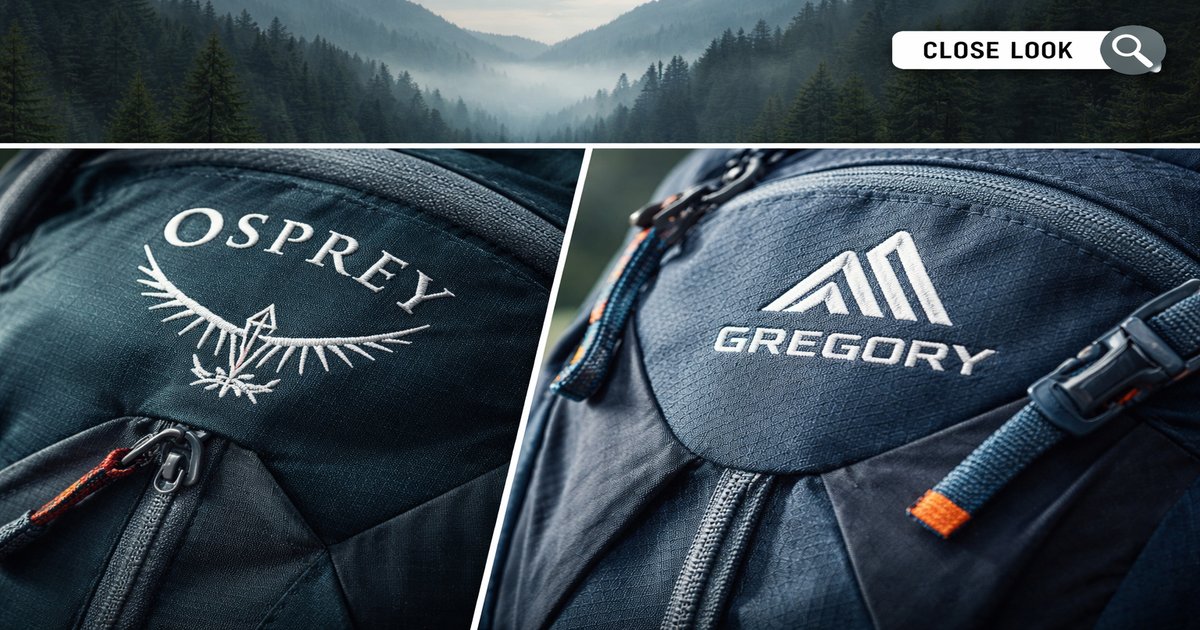
You’re planning your next big adventure and realize your trusty old backpack just won’t cut it anymore. Whether hitting the trails or navigating airports, the right backpack makes all the difference. Today, we’re comparing two heavyweights: Osprey and Gregory backpacks, both promising to be your new travel sidekick.
| Feature | Osprey | Gregory |
|---|---|---|
| Weight (lbs) | 3.5 | 3.8 |
| Capacity (liters) | 65 | 70 |
| Waterproof | ✗ | ✓ |
| Ventilation | ✓ | ✗ |
| Adjustable Fit | ✓ | ✓ |
| Price (USD) | 300 | 280 |
✅ osprey Pros
- Lightweight design reduces fatigue on long hikes.
- Excellent ventilation system keeps your back cool.
- Highly adjustable harness for a custom fit.
❌ osprey Cons
- Lacks waterproof material, requiring extra rain cover.
- Higher price point could be a turn-off.
- Limited capacity compared to Gregory.
✅ gregory backpack Pros
- Greater capacity ideal for extended trips.
- Waterproof fabric protects your gear in wet conditions.
- More affordable than Osprey.
❌ gregory backpack Cons
- Slightly heavier, adding to your load.
- Lacks advanced ventilation features.
- Adjustments can be cumbersome for some users.
Performance on the Trail
Osprey shines when you’re trekking in hot climates. Its superior ventilation system means your back stays dry, even during tough uphill slogs. Gregory, while lacking in ventilation, compensates with its robust waterproofing. If you’re hiking in unpredictable weather, Gregory’s ability to keep gear dry is a lifesaver. The extra weight might be noticeable, but for those who prioritize dry gear, it’s a worthy trade-off.
Build Quality and Durability
Both Osprey and Gregory are built to last, but Gregory edges out with its heavy-duty fabric, making it more resilient in rugged conditions. Osprey’s lighter build is still durable, but extra care is needed when navigating rough terrain to avoid snags and tears. If you’re planning a trip that includes bushwhacking or rough handling, Gregory might be your go-to.
Value for Money
Osprey demands a higher initial investment, which might seem steep, but its comfort and adjustability are worth every penny if you’re a frequent hiker. Gregory, though cheaper, offers great value with its larger capacity and waterproofing, appealing to those who need a versatile pack without breaking the bank. Consider how often you’ll use these features to decide which offers the best value for your needs.
Osprey’s ventilation is fantastic but can be overkill in cooler climates where you’re not sweating buckets. Gregory’s waterproofing is a standout, but if you’re not expecting rain, you’re carrying extra weight for nothing. Both brands have their strengths, but the real trick is knowing when those strengths align with your needs.
Our Final Verdict: Which One Should You Buy?
For the hardcore hiker who values comfort and doesn’t mind spending extra, Osprey is your match. Its lightweight build and ventilation system will have you forget you’re even carrying a pack. However, if you’re budget-conscious and need something versatile for longer, wetter trips, Gregory offers the capacity and waterproof assurance at a more wallet-friendly price.
How does the fit of these backpacks compare?
Both Osprey and Gregory offer adjustable fits, but Osprey’s harness system is more intuitive and allows for finer customization.
Are these backpacks compatible with hydration systems?
Yes, both backpacks support hydration reservoirs, but Osprey’s design integrates the system more seamlessly.
What’s the longevity of these backpacks?
Both brands are known for durability, but Gregory’s heavy-duty fabric might offer a slight edge in terms of lifespan, especially in harsh conditions.