

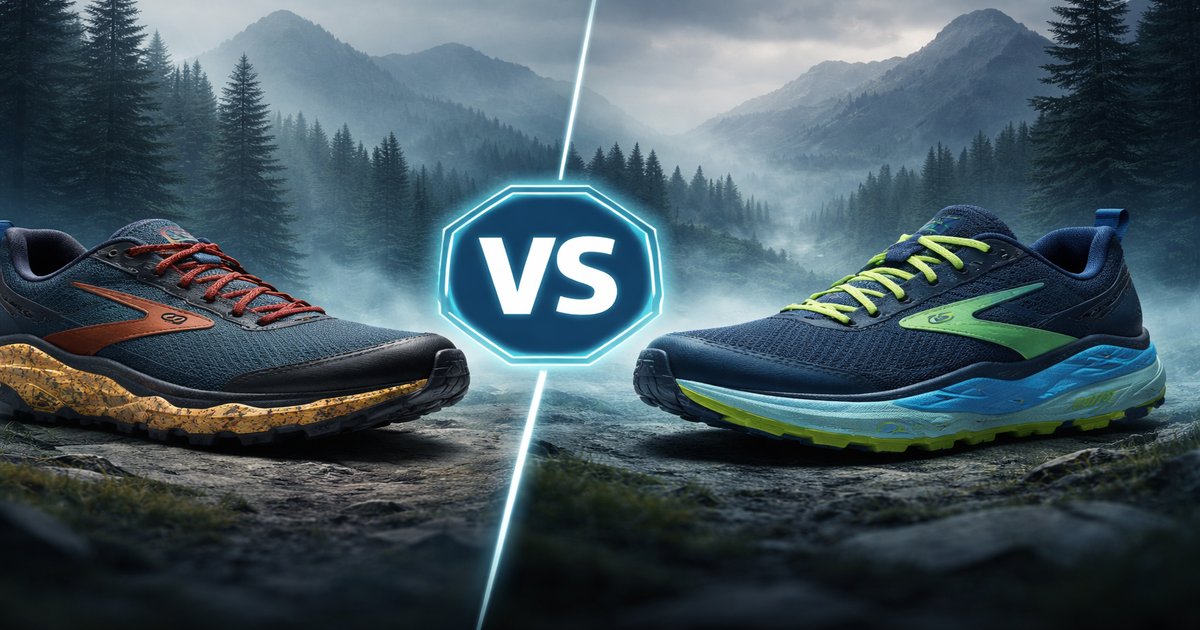
You love hitting the trails, but you need shoes that can keep up with your rugged adventures. Whether you’re tackling unpredictable terrain or seeking extra cushioning for those long-distance runs, Brooks has two popular options: the Cascadia and the Caldera. Let’s break these down so you can pick the right partner for your trail escapades.
| Feature | Brooks Cascadia | Brooks Caldera |
|---|---|---|
| Weight (Men’s size 9) | 11 oz (311g) | 10.5 oz (298g) |
| Drop | 8 mm | 4 mm |
| Cushioning | Moderate | Maximal |
| Grip | ✓ Rugged | ✓ Versatile |
| Waterproof Options | ✓ | ✗ |
| Support | Stability | Neutral |
✅ brooks cascadia Pros
- Exceptional stability on uneven terrain.
- Available in waterproof variants for wet conditions.
- Durable build, great for long-term use.
❌ brooks cascadia Cons
- Heavier compared to some competitors.
- Less cushioning for long-distance comfort.
- Stability focus may not suit neutral runners.
✅ caldera Pros
- Maximal cushioning perfect for ultra-distance comfort.
- Lighter weight enhances speed over long runs.
- Great grip on varied surfaces.
❌ caldera Cons
- Lacks waterproof options.
- Neutral support might not be ideal for overpronators.
- Lesser durability on the most rugged terrains.
Performance on the Trail
The Cascadia is the choice for rugged, technical trails. Its rock plate and durable outsole are fantastic when you need to traverse rocky paths without feeling every bump. If you’re running on mixed terrain with unexpected water patches, its waterproof option is a lifesaver. On the other hand, the Caldera shines in ultra-distance scenarios where comfort is king. The additional cushioning absorbs the impact over long miles, making it your best buddy for ultra-marathons on varied surfaces.
Build Quality and Durability
The Cascadia is built like a tank. The reinforced upper and a rock guard make it a powerhouse against wear and tear. If your trails involve a lot of jagged rocks or roots, the Cascadia won’t let you down. The Caldera, while durable, is more about comfort. Its build focuses on soft landings, which means it might not hold up as well in extreme rugged conditions. However, for well-trodden paths and long hauls, it provides a plush ride that stays comfortable over extended periods.
Value for Money
Price-wise, both shoes are in the same ballpark, but your choice should depend on what you value more. The Cascadia offers durability and versatility with its waterproof options, making it a great investment for those who frequently run in unpredictable weather. The Caldera, however, offers superior comfort for your dollar, especially if you’re into ultra-distance runs where cushioning is non-negotiable. If you’re after a specific trait like waterproofing or maximal cushioning, your money is better spent focusing on those features.
Both models have their quirks. The Cascadia’s weight can feel cumbersome on long runs. The Caldera’s maximal cushioning, while comfortable, doesn’t always translate into durability on rocky trails. Also, the lack of a waterproof option in the Caldera might be a dealbreaker if rain is a frequent running companion.
Our Final Verdict: Which One Should You Buy?
If you’re a trail runner who loves technical trails and needs a shoe that offers stability and protection, the Brooks Cascadia is your best bet. It’s perfect for those who often find themselves in wet or steep terrains. However, if you’re an ultra-runner or someone who prioritizes cushion and comfort over rugged terrain durability, the Brooks Caldera will make those long runs feel like a breeze. Choose based on the terrain and distance you tackle most.
How do these shoes fit compared to other Brooks models?
Both the Cascadia and Caldera fit true to size, similar to other Brooks models. However, the Cascadia offers a snugger fit for stability.
Are these shoes compatible with orthotics?
Yes, both models have removable insoles, making them compatible with custom orthotics.
How long do these shoes typically last?
The Cascadia tends to last longer due to its durable build, especially on rough terrain. The Caldera’s lifespan might be shorter if used frequently on rugged paths.