

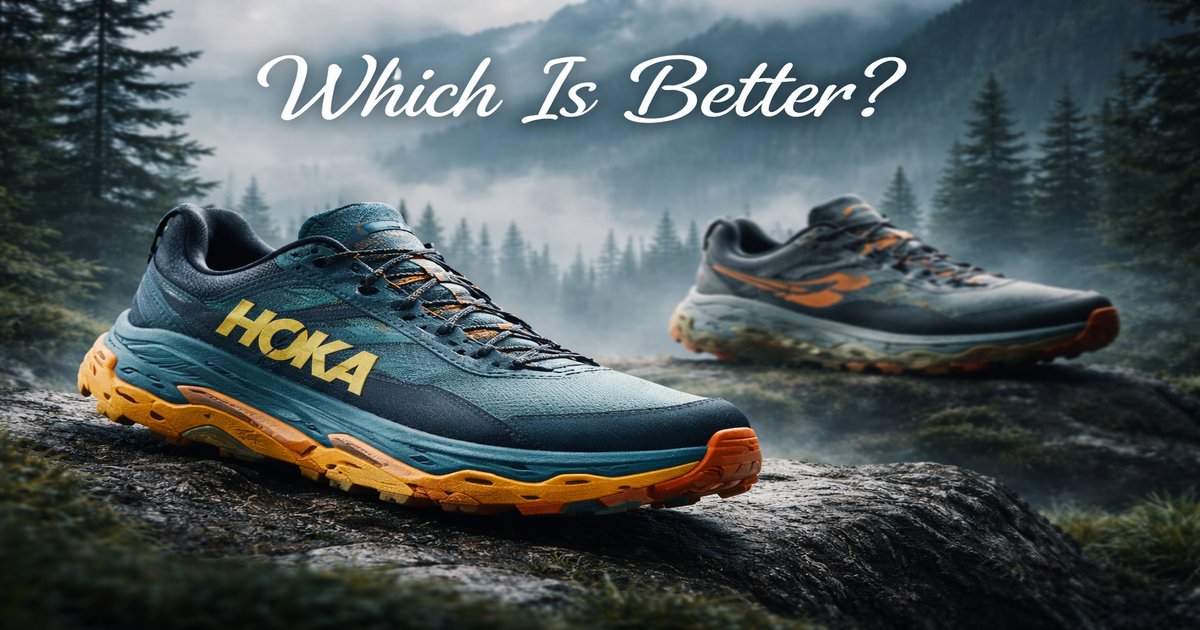
You’re about to hit the trails, but your old sneakers just aren’t cutting it anymore. Whether you’re a hardcore marathoner or a weekend warrior, choosing between Hoka and Saucony can feel like picking your favorite child. Let’s break down these two running shoe giants so you can hit the ground running.
| Feature | Hoka | Saucony |
|---|---|---|
| Cushioning | Maximum | Moderate |
| Weight | 8.7 oz | 8.4 oz |
| Heel-to-Toe Drop | 5 mm | 8 mm |
| Arch Support | ✓ | ✓ |
| Breathability | ✓ | ✓ |
| Price Range | $130 – $250 | $100 – $200 |
✅ hoka Pros
- Exceptional cushioning for long-distance comfort.
- Lightweight despite the thick sole.
- Stable ride for overpronators.
❌ hoka Cons
- Higher price point.
- Bulky appearance might not be for everyone.
- Limited responsiveness for speed work.
✅ saucony Pros
- Great balance of cushioning and responsiveness.
- More affordable price range.
- Versatile for different running styles.
❌ saucony Cons
- Cushioning may not be sufficient for ultra-marathoners.
- Less stable for overpronators.
Performance
Hoka shoes are the go-to for runners who prioritize cushioning. If you’re running long distances or have a history of foot pain, the plush, marshmallow-like experience can be a game-changer. However, this comes at the expense of responsiveness, which means speedwork and sprints might feel sluggish. On the flip side, Saucony strikes a balance between cushioning and responsiveness. They’re nimble enough for speed sessions while still providing enough comfort for middle-distance runs. If you’re a runner who likes to mix it up, Saucony might be your better bet.
Build Quality
Both brands excel in quality, but they cater to different user needs. Hoka shoes are built like tanks, with thick midsoles that withstand long miles and varied terrains. This makes them perfect for rugged trails and ultra-marathons where durability is crucial. However, the bulky design can be a turn-off. Saucony shoes, meanwhile, offer a sleeker, more traditional running shoe build. They focus on a balance of lightweight materials and durable construction, making them ideal for road running and track workouts without sacrificing longevity.
Value
When it comes to value, Saucony edges out Hoka for the budget-conscious runner. With a range that starts at a lower price point, Saucony makes it easier to get a quality running shoe without breaking the bank. Their models provide versatility at a lower cost, making them a solid choice for casual runners or those just getting started. Hoka’s higher price is justified by their specialized cushioning and durability, but you’ll need to decide if these features are worth the extra cash. If you’re serious about logging serious miles, the investment in Hoka might pay off.
Hoka’s cushioning can feel like running on clouds, but it may not suit everyone, especially if you’re looking for a more connected feel with the ground. Saucony, while versatile, may not provide enough cushioning for those with specific foot issues or who run extreme distances. Also, both brands can suffer from inconsistent fit across different models, so always try before you buy.
Our Final Verdict: Which One Should You Buy?
For those who are logging serious miles and need maximum cushioning, Hoka is your best bet. Its design caters to marathoners and trail runners who prioritize comfort and stability. If you’re looking for a versatile, budget-friendly option that doesn’t compromise on performance, Saucony is the way to go. They excel in providing a balanced ride suitable for a variety of running styles. Choose Hoka if you’re a long-distance or ultra-marathon runner, and Saucony if you’re a versatile runner who likes mixing speed and distance.
Are Hoka shoes true to size?
Hoka shoes generally fit true to size, but if you have wider feet, consider going half a size up or opting for their wider-width options.
How do Saucony shoes compare in terms of longevity?
Saucony shoes offer good durability, typically lasting between 300 to 500 miles, depending on the running surface and conditions.
Which is better for flat feet, Hoka or Saucony?
Both brands offer models with good arch support, but Hoka’s extensive cushioning can provide additional comfort for those with flat feet.