

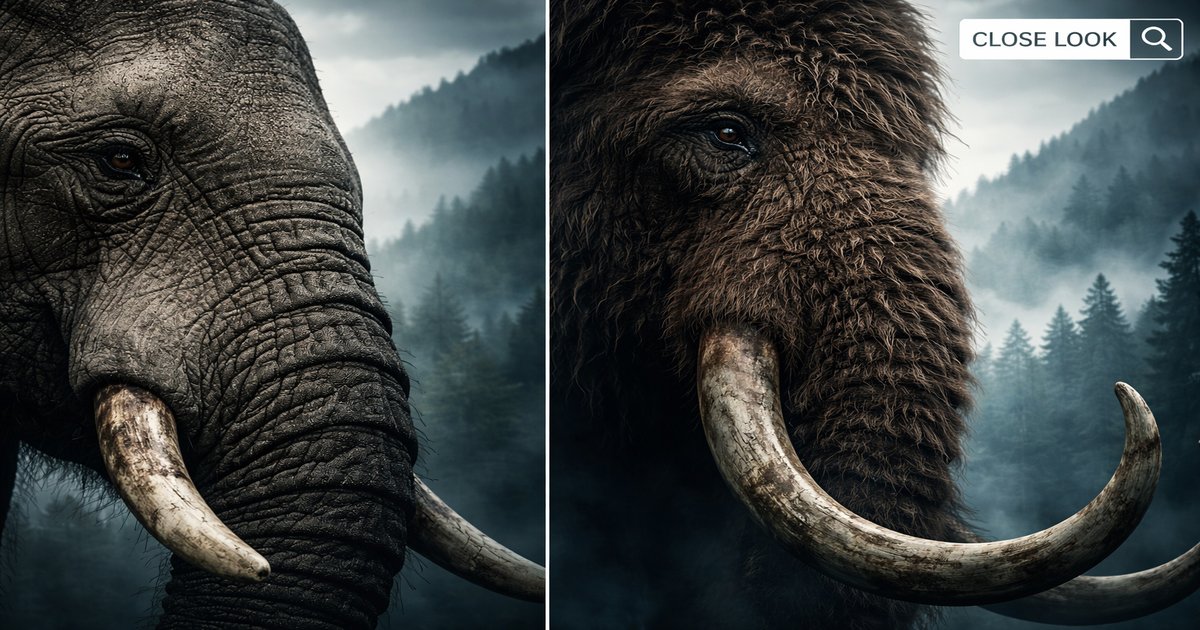
You’re gearing up for your next great adventure and need a reliable backpack that won’t let you down. The decision between Elefant and Mammut is a tricky one; both are well-known in the outdoor community, but which one deserves your hard-earned cash?
| Specification | Elefant | Mammut |
|---|---|---|
| Weight | 1.2 kg | 1.5 kg |
| Capacity | 30 liters | 35 liters |
| Water Resistance | ✓ | ✓ |
| Material | Nylon | Ripstop Polyester |
| Price | $120 | $150 |
| Warranty | 2 years | 3 years |
✅ elefant Pros
- Lightweight, making it ideal for long treks.
- Affordable price point for budget-conscious adventurers.
- Durable nylon material that withstands rough use.
❌ elefant Cons
- Limited capacity at 30 liters might not suit everyone.
- Shorter warranty period of 2 years.
✅ mammut Pros
- Larger capacity at 35 liters for more gear.
- Ripstop polyester offers superior durability.
- 3-year warranty provides extra peace of mind.
❌ mammut Cons
- Heavier weight can be a downside for those aiming for ultra-light packing.
- Higher price may not fit every budget.
Performance in the Field
When you’re out on the trail, every gram counts. The Elefant’s lighter weight is a boon if you’re hiking long distances or tackling elevation. It doesn’t weigh you down, making it a favorite among minimalists. However, the Mammut’s extra capacity is a lifesaver for those who need to carry additional gear or food for extended trips. If you’re the type who likes to pack extra layers or camera equipment, Mammut won’t have you making tough choices on what to leave behind.
Build Quality That Lasts
The Elefant is made from durable nylon, which holds up well, but might fray if you’re roughing it in jagged terrains. The Mammut, on the other hand, features ripstop polyester, which is practically bombproof. Whether you’re scrambling across sharp rocks or bushwhacking through dense forest, Mammut’s build quality reassures you that it’s up for the challenge. It’s this robustness that justifies its higher price tag.
Value for Money
Elefant takes the cake if you’re looking purely at initial investment. It’s an excellent choice for casual users or those who don’t need top-of-the-line features. But if you’re a frequent trekker or someone who values durability over cost, Mammut’s higher price is justified by its longevity and capacity. It’s an investment that pays off in the long run, especially if you plan on putting it through its paces.
What many reviews don’t tell you is that the Elefant’s lighter weight comes at the cost of fewer organizational pockets. Meanwhile, Mammut’s heavier build might not fit well with smaller frames, especially on longer hikes. These are crucial considerations that can make or break your experience out there.
Our Final Verdict: Which One Should You Buy?
If you’re a weekend warrior who values a lighter pack and a lower price, the Elefant is your go-to. It’s perfect for day hikes or short trips where minimal gear is needed. For the seasoned adventurer who demands durability and extra space, the Mammut is worth the extra bucks. It’s built to last and offers peace of mind for longer excursions.
Is the Elefant suitable for multi-day hikes?
While it can work for shorter, minimalist trips, its 30-liter capacity might limit what you can bring for multi-day treks.
Does the Mammut fit smaller frames comfortably?
It may feel cumbersome for smaller individuals, especially given its heavier build, but adjustable straps help with fit.
Are both backpacks compatible with hydration systems?
Yes, both the Elefant and Mammut are designed with hydration system compatibility in mind, featuring dedicated compartments and hose ports.