

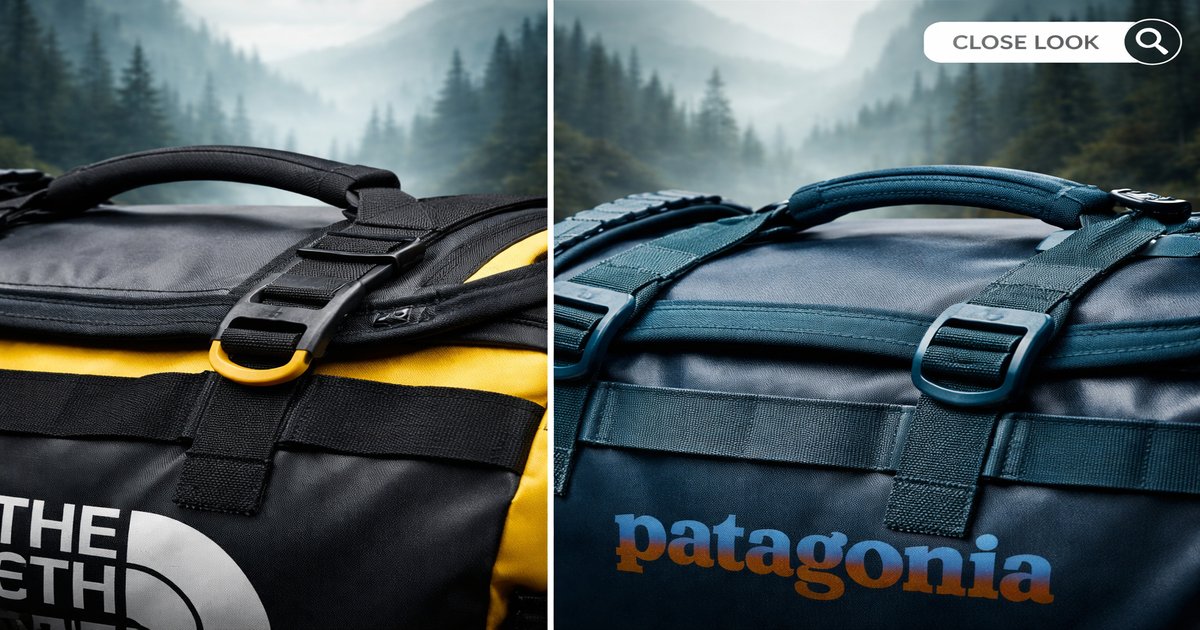
Ever tried packing for an epic adventure only to find out your gear bag can’t handle the load? Choosing the right duffel can make or break your trip. Let’s dive into the nitty-gritty of two popular choices: the North Face Duffel and the Patagonia Duffel.
| Feature | North Face Duffel | Patagonia Duffel |
|---|---|---|
| Capacity | 50L – 150L | 40L – 120L |
| Material | 840D Jr. Ballistic nylon | 100% recycled polyester |
| Water Resistance | ✓ | ✓ |
| Weight (medium size) | 3 lbs 8 oz | 2 lbs 9 oz |
| Backpack Straps | ✓ | ✓ |
| Warranty | Lifetime | Ironclad Guarantee |
| Price Range | $120 – $200 | $129 – $199 |
✅ north face duffel Pros
- Durable ballistic nylon construction.
- Available in a larger capacity range.
- Proven lifetime warranty.
❌ north face duffel Cons
- Heavier than the Patagonia duffel.
- Higher starting price point.
✅ patagonia duffel Pros
- Eco-friendly recycled polyester material.
- Lighter weight for easier transport.
- Reasonably priced for its features.
❌ patagonia duffel Cons
- Limited capacity options compared to the North Face.
- Less robust than ballistic nylon.
Build Quality and Durability
When it comes to build quality, the North Face Duffel’s 840D ballistic nylon is a beast. It’s the kind of material you’d trust to withstand rough baggage handlers and unpredictable weather. On the other hand, Patagonia’s 100% recycled polyester is a nod to eco-conscious adventurers. It’s lighter, which is great for when you’re hoofing it through airports or lugging it up a mountain. However, if you’re the type who tests gear to its limits, North Face is your best bet for longevity.
Performance in Tough Conditions
Both duffels claim water resistance, but the North Face Duffel has a slight edge in truly nasty weather. Picture this: you’re caught in a downpour, and your bag is sitting in a puddle. While both bags will keep your gear mostly dry, the North Face’s materials and construction feel more confidence-inspiring. Patagonia’s offering, while water-resistant, might not hold up as well in prolonged exposure to the elements. If you’re planning a trip to a notoriously wet region, North Face offers peace of mind.
Value for Money
Price-wise, these duffels run neck and neck, but value is more than just a number. North Face’s lifetime warranty is a huge plus for those who invest in gear for the long haul. Patagonia’s Ironclad Guarantee is solid, showing their confidence in product quality. If you prioritize sustainability and lighter weight, Patagonia’s slightly lower price and eco-friendly angle might sway you. However, for raw durability and capacity options, North Face’s slightly higher price pays off in the long run.
The North Face Duffel is a workhorse with a weight penalty. If you’re not prepared to carry that extra heft, it’ll feel cumbersome. Patagonia’s duffel is lighter but sacrifices some durability in the process. Both bags, despite their water resistance claims, need extra care in torrential downpours.
Our Final Verdict: Which One Should You Buy?
If you’re an adventurer who prioritizes durability and carries everything but the kitchen sink, the North Face Duffel is your match. It’s built to last and ready for anything. On the flip side, if you value eco-friendliness and need a lighter bag for more casual trips, the Patagonia Duffel is your go-to. Choose based on your typical travel scenarios and what you value most in gear.
Is the North Face Duffel too heavy for air travel?
While it’s heavier than the Patagonia, it’s manageable for most travelers. Use the backpack straps for easier mobility.
Does the Patagonia Duffel fit in overhead compartments?
Yes, the medium size fits well in overhead bins on most airlines, making it a great carry-on option.
How does the Patagonia material hold up over time?
Patagonia’s recycled polyester is durable for regular use, but not quite as rugged as ballistic nylon for extreme conditions.