

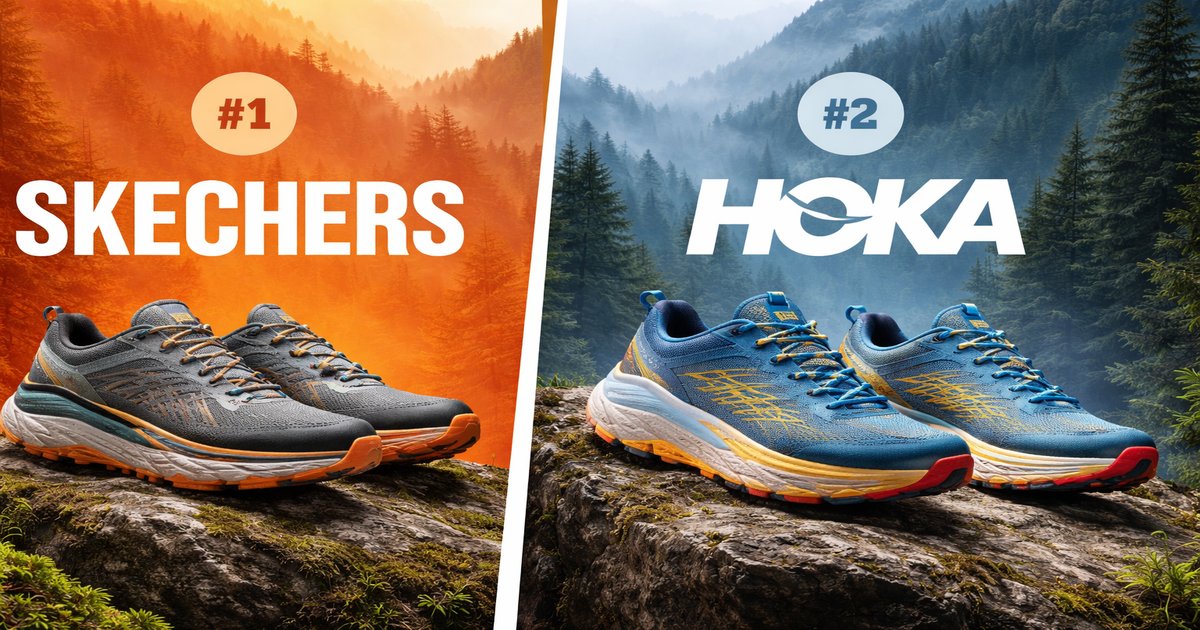
Picture this: You’re staring at a wall of running shoes, trying to decide between Skechers and Hoka. Both offer comfort and style, but which one will really have your back on those long runs or casual strolls? Let’s break it down so you can make the right call for your feet.
| Feature | Skechers | Hoka |
|---|---|---|
| Arch Support | Moderate | High |
| Weight (Men’s size 9) | 9 oz | 10.5 oz |
| Price Range | $60 – $100 | $120 – $180 |
| Breathability | ✓ | ✓ |
| Cushioning | Light | Maximal |
| Durability | Average | High |
| Style Variety | High | Moderate |
✅ skechers Pros
- Affordable pricing makes them accessible to most budgets.
- Lightweight design is great for everyday wear.
- Wide variety of styles to match any outfit or occasion.
❌ skechers Cons
- Lacks in cushioning for long-distance running.
- Moderate durability; may wear out faster with heavy use.
✅ hoka Pros
- Exceptional cushioning perfect for long-distance runs.
- High durability for extended use and rough terrains.
- Great arch support for those with specific foot needs.
❌ hoka Cons
- Higher price point can be a turnoff for budget-conscious buyers.
- Heavier weight might not appeal to those seeking ultra-light shoes.
Performance on Long Runs
If you’re pounding the pavement for miles, Hoka’s maximal cushioning is a game-changer for comfort and support. This makes them ideal for serious runners or anyone dealing with joint pain. Skechers, while lighter, lack the depth of cushioning and support found in Hoka. They’re fine for short jogs or casual walks but might leave you aching after a marathon.
Build Quality and Durability
Hoka shoes are built like tanks; they can handle rough trails and still look fresh. Their superior materials translate into a higher upfront cost but save you money in the long run with their longevity. Skechers, on the other hand, are more of a short-term companion—affordable and stylish but not designed for tough conditions or long-lasting wear.
Value for Money
Skechers offer fantastic value for everyday wearers who prioritize style and comfort without emptying their wallets. Hoka, while pricier, provides serious bang for your buck if you’re investing in footwear for long-distance running or need advanced support features. Your choice should hinge on your primary use case.
Skechers shoes can sometimes run narrow, so if you’ve got wider feet, you might find them snug. Hoka shoes, despite their durability, can feel a bit clunky for everyday casual use. Both brands have their quirks, but knowing them upfront saves you from buying a pair that doesn’t meet your needs.
Our Final Verdict: Which One Should You Buy?
If you’re a casual dresser looking for affordable, lightweight shoes that you can wear daily without much fuss, Skechers are your go-to. Stylish variety and comfort at a friendly price make them a no-brainer. However, if you’re a dedicated runner or need shoes with robust support and durability, Hoka is worth the investment. They’re perfect for those who prioritize their running routine and don’t mind spending a little extra for top-tier gear.
Do Skechers and Hoka shoes fit true to size?
Skechers tend to run a bit narrow, so consider sizing up if you have wide feet. Hoka generally fits true to size but offers a roomy toe box.
Are these shoes suitable for outdoor trails?
Hoka shoes excel in rugged outdoor conditions thanks to their durability and superior traction. Skechers are better suited for urban environments or well-maintained paths.
How long can I expect these shoes to last?
With moderate use, Skechers might last you around six months to a year. Hoka, thanks to their build quality, can often exceed a year even with heavy use.