

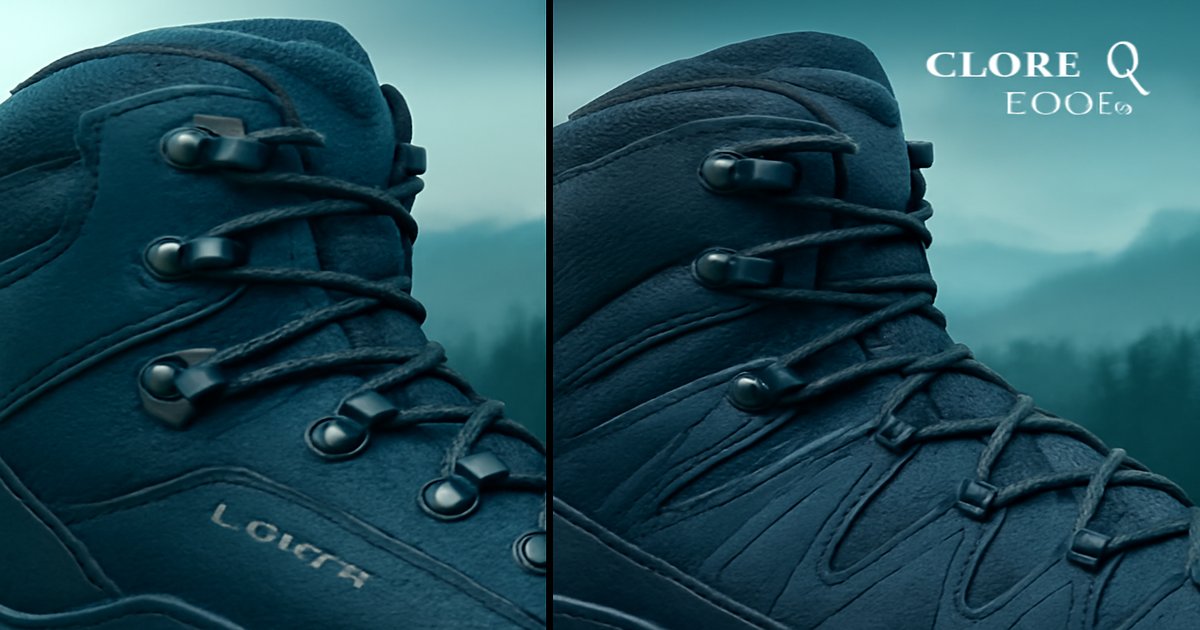
You’re standing at the trailhead, staring down the path that promises both adventure and a serious test of endurance. As your heart races with anticipation, you know that the right pair of hiking boots can make or break your journey. Enter Lowa and Salomon, two titans in the world of outdoor footwear. Let’s dive into what each brand brings to the table.
| Feature | Lowa Renegade GTX Mid | Salomon Quest 4D 3 GTX |
|---|---|---|
| Weight (pair, size 9) | 2.44 lbs | 2.86 lbs |
| Waterproofing | ✓ | ✓ |
| Breathability | ✓ | ✓ |
| Material | Nubuck Leather | Textile & Synthetic |
| Support | Medium | High |
| Price | $240 | $230 |
| Grip | ✓ | ✓ |
✅ lowa Pros
- Lightweight design makes it ideal for long treks.
- Excellent waterproofing keeps feet dry in wet conditions.
- Classic leather look that appeals to traditionalists.
❌ lowa Cons
- Price point is slightly higher than competitors.
- Medium support may not suit those with ankle issues.
✅ salomon Pros
- Superior support for rugged terrain and heavy loads.
- Textile material offers excellent durability.
- Great value for money compared to other high-end boots.
❌ salomon Cons
- Heavier, which may be tiring over long distances.
- Bulkier design might not appeal to everyone.
Performance on the Trail
Lowa Renegade GTX Mid is your go-to for comfort and agility. Weighing just 2.44 lbs, it feels like a second skin, allowing you to move swiftly over moderate trails. This is perfect for day hikes or light backpacking. On the flip side, the Salomon Quest 4D 3 GTX is built like a tank, offering unmatched support. You’ll notice this when tackling steep ascents or carrying a heavy pack. It’s a bit heavier, but if you’re planning a multi-day trek over unpredictable terrain, this is your buddy.
Build Quality and Durability
In terms of materials, Lowa sticks to its roots with nubuck leather, which not only looks great but offers reliable protection. However, leather can wear down faster if not maintained properly. Salomon, using a mix of textile and synthetic materials, delivers a boot that can withstand serious abuse. If you’re rough with gear and prefer low maintenance, Salomon’s durability is a big plus.
Value for Money
Both boots are investments, but they cater to different needs. Lowa’s higher price reflects its premium leather and lightweight build, appealing to those who prioritize comfort and aesthetics. Salomon, slightly cheaper, offers exceptional support and durability, making it a fantastic value for those who need their gear to last through tough conditions. If you frequently find yourself off the beaten path, Salomon offers more bang for your buck.
Both Lowa and Salomon have their quirks. Lowa’s leather can require more upkeep, especially if you’re trekking in wet conditions often. Salomon’s size can be a bit tricky; they tend to run narrow, so consider sizing up if you have wider feet. Also, breaking in Salomon can be a bit of a chore, so give yourself time before any long expedition.
Our Final Verdict: Which One Should You Buy?
If you’re a casual hiker or someone who values style and comfort for moderate trails, Lowa Renegade GTX Mid is your pick. Its lightweight and classic design make it a joy for day hikes. For the hardcore adventurer tackling challenging terrains with a heavy pack, go for the Salomon Quest 4D 3 GTX. Its rugged build and superior support will not let you down when the going gets tough.
Do Lowa boots fit true to size?
Yes, Lowa boots generally fit true to size, but if you plan to wear thicker socks, consider going half a size up.
Are Salomon boots compatible with crampons?
Salomon Quest 4D 3 GTX boots can handle strap-on crampons, but they’re not designed for technical mountaineering.
How long can I expect these boots to last?
With proper care, both Lowa and Salomon boots can last several years. Salomon may have an edge in longevity due to its robust materials.