

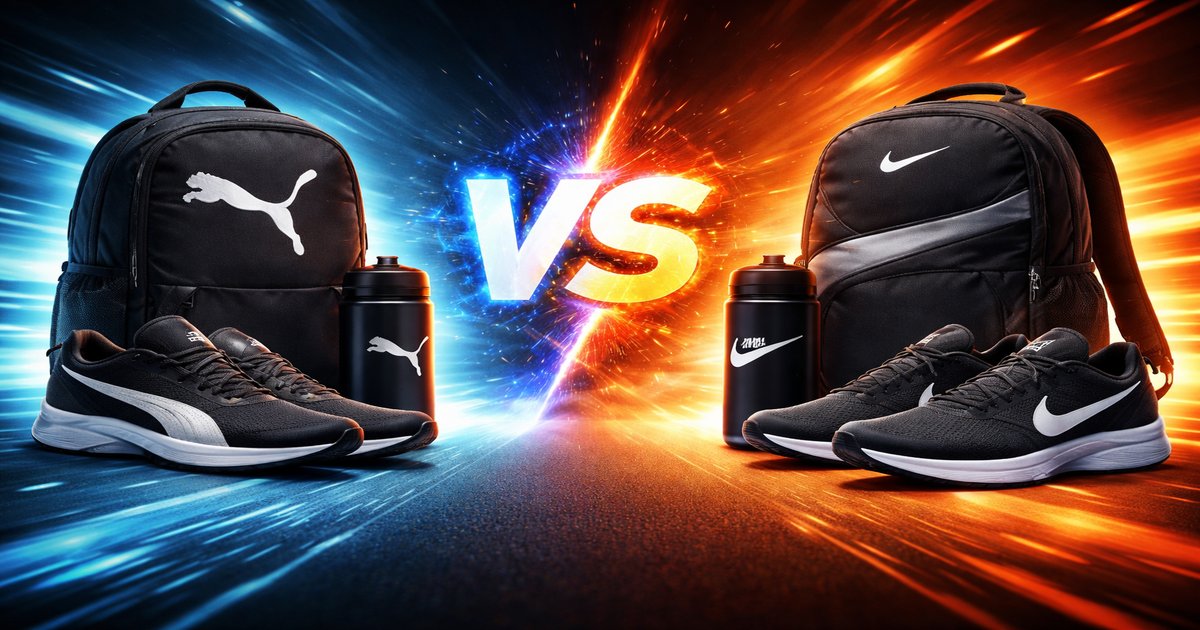
You’re ready to invest in some new sports gear, but you’re torn between two heavyweights: Puma and Nike. Whether you’re a casual gym-goer or a seasoned athlete, making the right choice can significantly impact your performance and comfort.
| Feature | Puma | Nike |
|---|---|---|
| Price Range | $50 – $150 | $60 – $200 |
| Design Variety | Moderate | Extensive |
| Durability | High | High |
| Performance Tech | ✓ | ✓ |
| Brand Prestige | Medium | High |
| Eco-friendliness | ✓ | ✗ |
✅ puma Pros
- Affordable pricing compared to Nike.
- Eco-friendly options available.
- Offers a comfortable fit for most foot types.
❌ puma Cons
- Limited design variety.
- Less brand prestige globally.
✅ nike Pros
- Extensive range of designs and colors.
- High brand reputation and trust.
- Advanced performance technologies.
❌ nike Cons
- Higher price point.
- Less focus on eco-friendly materials.
Performance and Technology
Puma and Nike both pack a punch in performance technology, but Nike tends to edge ahead with its cutting-edge innovations like Air Max cushioning and Flyknit technology. If you’re after that extra spring in your step or a shoe that molds to your foot, Nike’s tech is hard to beat. Puma, however, isn’t far behind with its Ignite foam, which provides excellent energy return and cushioning. For most athletes, both brands will get the job done, but for tech aficionados, Nike has the upper hand.
Build Quality and Durability
Both Puma and Nike deliver high durability in their sports gear, which is crucial when you’re pounding the pavement or hitting the gym regularly. Nike shoes often feel slightly more robust, largely due to their extensive use of reinforced materials. Puma, on the flip side, prides itself on lightweight yet durable builds that won’t weigh you down. If you’re more about speed and agility with a decent lifespan, Puma is your friend. For a bit more reassurance in build quality, go with Nike.
Value for Money
Here’s the kicker: Puma often comes out on top if you’re looking for a balance between cost and performance. Their pricing is generally more accessible, making them a go-to for budget-conscious athletes who don’t want to compromise on quality. Nike, while offering superior tech and design, requires a deeper dive into your pockets. If you’re not overly concerned about the latest fashion trends or performance gimmicks, Puma provides excellent value.
Puma’s eco-friendly initiatives are a bonus, but they might not be as sustainable as they appear. Often, these options are limited to specific lines. Nike’s reputation for performance technology is stellar, but it sometimes overshadows basic comfort. Their shoes can feel tight for wider feet, so take note if you often struggle with fit.
Our Final Verdict: Which One Should You Buy?
If you’re a tech-savvy athlete who values cutting-edge design and doesn’t mind splurging a bit for the prestige and performance, Nike is your brand. For the environmentally conscious or those on a budget who still want solid performance and comfort, Puma is the smart choice. Each brand has its strengths, so align your choice with what you value most in sports gear.
How do Puma and Nike fit for wide feet?
Puma generally offers a more forgiving fit compared to Nike, which tends to run narrow. Always try before you buy.
Are there any eco-friendly options from Nike?
Nike does have a few eco-friendly options, but they are not as prevalent as Puma’s offerings. Look for their “Move to Zero” line.
How long can I expect these shoes to last?
With regular use, both Puma and Nike shoes should last about 6-12 months, depending on the intensity and type of activity.