

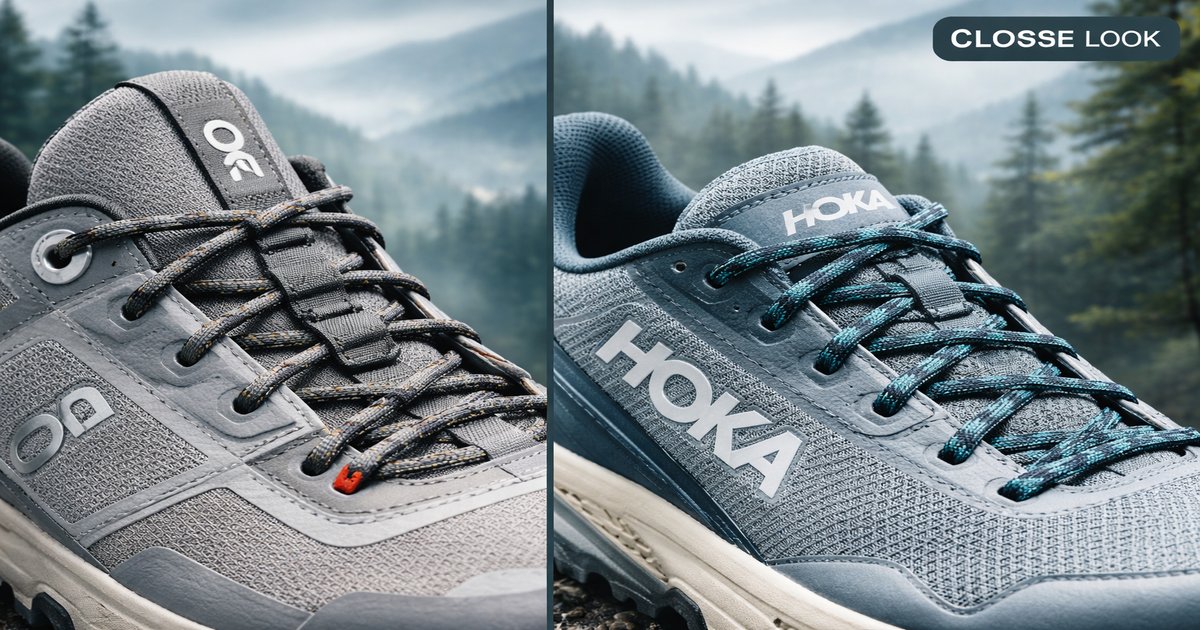
You’re standing in the running shoe aisle, overwhelmed by choices. Do you go with the trusted On shoes or take a leap with Hoka? Your next step could be cushioned bliss or discomfort, so let’s break it down.
| Feature | On Shoes | Hoka Shoes |
|---|---|---|
| Weight (Men’s size 9) | 8.1 oz | 9.3 oz |
| Cushioning | Moderate | High |
| Heel-to-Toe Drop | 6 mm | 5 mm |
| Arch Support | ✓ | ✓ |
| Breathability | ✓ | ✓ |
| Price Range | $130-$200 | $120-$180 |
✅ On Shoes Pros
- Lightweight and agile
- Stylish design for casual wear
- Responsive cushioning for speed
❌ On Shoes Cons
- Higher price point
- Less cushioning for long runs
✅ Hoka Pros
- Supreme cushioning for comfort
- Great for long-distance running
- Competitive pricing
❌ Hoka Cons
- Heavier than some competitors
- Bulky design not for everyone
Performance: The Run Experience
On shoes are all about speed and agility, perfect for those quick 5Ks or intense interval sessions. Their lighter weight and responsive cushioning let you feel the ground and react quickly. In contrast, Hokas shine on long-distance marathons or ultra runs. The extra cushioning absorbs impact, reducing fatigue over long periods. If you’re chasing a personal best in a 10K, On might be your go-to. For those grueling long runs, Hokas provide the comfort you need to keep going.
Build Quality: Durability Meets Design
On shoes boast a sleek, modern design that transitions well from gym to street. The materials are durable, but the focus on lightweight can sometimes mean a shorter lifespan if you’re pounding the pavement daily. Hokas, while bulkier, are built to withstand long miles. The thick soles may not win style points, but they protect your feet and last longer over rough terrains. If aesthetics matter, On shoes have the edge, but for rugged durability, Hoka steps up.
Value: Cost vs. Benefits
On shoes come with a higher price tag, reflecting their stylish design and performance focus. You’re paying for a shoe that looks good and performs well in shorter spurts. Hoka offers more value for the endurance athlete, with a price range that’s easier on the wallet and cushioning that saves you from future knee pain expenses. If you’re budget-conscious and run long distances, Hoka gives you more bang for your buck.
Both brands have their quirks. On shoes are fantastic for speed but can feel a bit stiff if you’re not used to them. Hokas, though comfy, might make you feel like you’re walking in moon boots. Consider your usual running distance and style before deciding.
Our Final Verdict: Which One Should You Buy?
If you’re a style-conscious runner who prioritizes speed and agility, go with On shoes. They’re ideal for short, fast runs and casual wear. On the other hand, if you’re an endurance athlete or someone who values comfort and durability for long distances, Hoka is your best bet. Their cushioning and value for money will keep you running longer and happier.
Do On shoes accommodate wide feet?
On shoes are generally designed with a standard width, so they may not be the best fit for wider feet. Consider trying them on or looking for specific wide models if available.
Are Hoka shoes good for trail running?
Yes, Hoka offers specific models with enhanced grip and stability designed for trail running, providing protection and comfort over rough terrain.
How long do On and Hoka shoes typically last?
On shoes might last between 300-500 miles, depending on usage and surface. Hokas, given their robust build, often exceed 500 miles, especially if used on softer surfaces.