

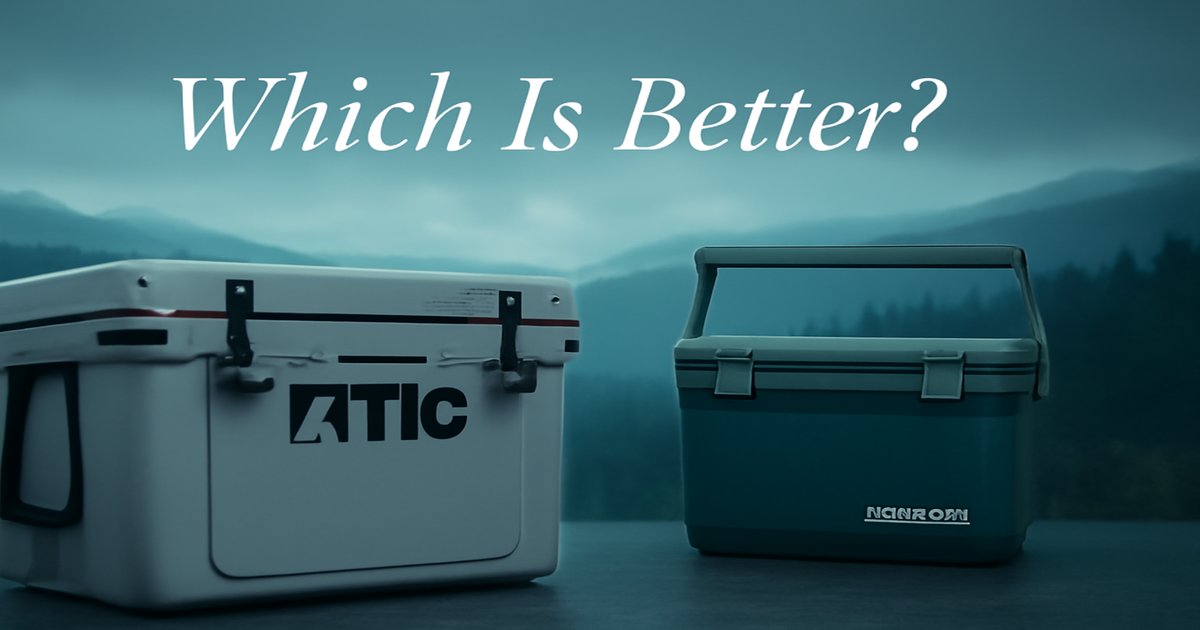
You’re prepping for a weekend camping trip, and the last thing you need is a cooler that fails to keep your drinks icy cold. When it comes to RTIC and Stanley coolers, both promise durability and performance, but which one truly delivers when you’re miles away from civilization?
| Feature | RTIC Cooler | Stanley Cooler |
|---|---|---|
| Ice Retention | Up to 10 days | Up to 4 days |
| Capacity | 45 quarts | 28 quarts |
| Weight | 25 lbs | 12 lbs |
| Durability | Rotomolded construction | Double-wall foam insulation |
| Price | $199 | $109 |
| Built-in Bottle Opener | ✓ | ✗ |
✅ rtic Pros
- Superior ice retention for extended trips.
- Large capacity suitable for group outings.
- Built-in bottle opener is a convenient touch.
❌ rtic Cons
- Heavier and bulkier, making it less portable.
- Higher price point might not suit budget-conscious buyers.
- Limited color options.
✅ stanley cooler Pros
- Lightweight and easy to carry around.
- Significantly more affordable.
- Double-wall insulation offers decent performance for short trips.
❌ stanley cooler Cons
- Shorter ice retention time.
- Smaller capacity limits storage.
- Lacks some convenience features like a built-in bottle opener.
Performance
When it comes to keeping your goods chilled, RTIC is the undisputed champion. The 10-day ice retention is not just a marketing gimmick; it’s a lifesaver on those extended camping trips or tailgate parties. On the other hand, Stanley’s 4-day retention is respectable for shorter adventures or weekend getaways. If you’re the kind who often forgets to buy ice, RTIC’s performance gives you a safety net. But for a quick trip, Stanley does just fine and avoids the hefty weight and bulk of RTIC.
Build Quality
RTIC’s rotomolded construction is as tough as they come. It can handle being tossed in and out of your truck without a hitch. It’s built to last and withstands rough use, making it ideal for those who are hard on their gear. Stanley, while durable enough for everyday use, could feel a bit flimsy if you’re used to more robust coolers. The double-wall foam insulation is adequate but can’t compete with the ruggedness of RTIC. If you’re roughing it, RTIC’s build is your best bet.
Value
Price is where Stanley shines. At nearly half the price of RTIC, you get a reliable cooler without breaking the bank. If you’re not planning on week-long excursions, the Stanley offers good value for weekend warriors or day-trippers. However, if you’re a frequent camper or adventurer who values longevity and top-notch performance, investing in the RTIC might be a decision you won’t regret. It’s a case of paying for what you get—more features and higher performance come at a cost.
One overlooked aspect is the weight factor. RTIC, while a beast in performance, is a backbreaker if you need to haul it over a distance. The Stanley is much easier on your back but sacrifices storage and retention. Also, the RTIC’s premium price doesn’t include some of the nifty extras like dividers or baskets that other brands offer. Be prepared to buy these separately if you need them.
Our Final Verdict: Which One Should You Buy?
If your adventures often take you off the beaten path for longer stays, the RTIC cooler is a worthwhile investment. Its impressive ice retention and rugged build are perfect for the serious outdoors enthusiast. However, if you’re a casual user who enjoys the occasional weekend camping trip or beach day, the Stanley cooler offers great value and portability at a much lower price. Choose based on how far and how long your adventures take you.
How heavy is the RTIC cooler when fully loaded?
Depending on contents, expect it to weigh between 50-70 lbs. Plan your transport accordingly.
Is the Stanley cooler suitable for long road trips?
For trips up to 4 days, it performs well, but for anything longer, consider RTIC for better retention.
Does either cooler fit well in a small trunk?
The Stanley is more compact and will fit in tight spaces more easily than the larger RTIC.