

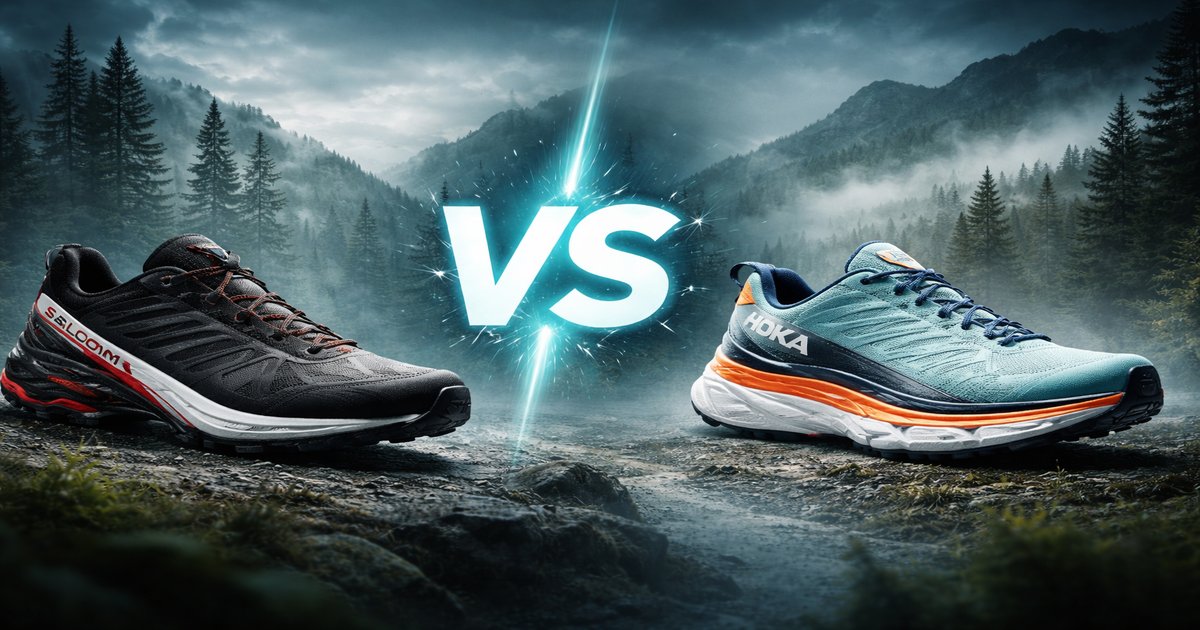
You’ve hit the trails enough to know your shoes can make or break your run. Whether you’re navigating challenging terrains or simply pounding the pavement, the right pair can feel like an extension of your body. Enter Salomon and Hoka—two brands that promise to revolutionize your running experience. But which one truly delivers?
| Feature | Salomon | Hoka |
|---|---|---|
| Cushioning | Moderate | Maximal |
| Weight (men’s size 9) | 11 oz | 9 oz |
| Trail Grip | ✓ | ✓ |
| Stability | High | Moderate |
| Price Range | $130 – $180 | $120 – $160 |
| Waterproof Options | ✓ | ✗ |
✅ Salomon Pros
- Exceptional trail grip and stability.
- Durable construction for rugged environments.
- Available in waterproof versions.
❌ Salomon Cons
- Heavier than many competitors.
- Less cushioning, which might not suit long-distance runners.
✅ Hoka Pros
- Superior cushioning for long-distance comfort.
- Lighter weight enhances speed.
- Adequate grip for most trail conditions.
❌ Hoka Cons
- Less stability on uneven terrains.
- No waterproof options available.
Performance on Various Terrains
Salomon shoes are your go-to if you’re tackling technical trails. They provide grip that feels like you’re sticking to the ground, even on wet and rocky paths. The stability is unmatched, giving you the confidence to take on more aggressive trails without worrying about rolling an ankle. Hoka, on the other hand, performs best on less technical terrains. The cushioning is like running on clouds, perfect for long distances on dirt roads or well-maintained trails, but they might leave you feeling a bit unstable on uneven surfaces.
Build Quality and Durability
Salomon shoes are built like tanks. They can take a beating and still look and perform well. This durability is especially noticeable if you’re running in rugged conditions where debris and moisture are a factor. Hoka shoes, while generally well-built, focus more on comfort and weight reduction, which sometimes compromises their lifespan, especially if you’re using them in harsh conditions regularly. If longevity is your priority, Salomon edges ahead.
Value for Money
Both brands sit in a similar price range, but what you get for your money can differ vastly. Salomon offers durable gear that might cost a bit more upfront but saves you in the long run with fewer replacements needed. Hoka offers comfort and lightweight designs that are worth every penny if you’re covering long distances regularly. Consider how often and where you’re running to determine which brand gives you the best bang for your buck.
Salomon’s waterproofing is a fantastic feature, but it can make the shoes feel a bit stiffer until broken in. Hoka’s plush cushioning is a dream, but it can wear down faster than you’d hope if you’re a frequent trail runner. Don’t let these nuances catch you off guard when making your pick.
Our Final Verdict: Which One Should You Buy?
If you’re someone who regularly tackles technical trails and needs a shoe that can withstand the elements, Salomon is your best bet. Their durability and stability are unmatched. However, if your runs are more about distance and comfort, especially on less technical paths, Hoka’s superior cushioning and lightweight design make them the ideal choice. Pick Salomon if you want reliability and ruggedness; choose Hoka for comfort and speed.
Do Salomon shoes fit true to size?
Salomon shoes generally fit true to size, but if you’re between sizes or plan on wearing thicker socks, sizing up might be a good idea.
Are Hoka shoes suitable for wide feet?
Yes, Hoka offers wide versions of many of their popular models, providing a comfortable fit for those with wider feet.
How long do these shoes typically last?
Salomon shoes can last up to 500 miles, especially on trails, while Hoka shoes may need replacing around the 300-400 mile mark due to their softer cushioning.